
No Outlets, No Sales? How Low Phone Battery Kills Impulse Buying
- The Power Stop

- Jul 11, 2025
- 5 min read
Updated: Aug 22, 2025

Summary
A dying phone battery can silently drive customers out of your store.
Low battery anxiety causes shoppers to rush or abandon their purchases.
Impulse buying relies on comfort, attention, and access to mobile tools—all disrupted by dead phones.
Adding a charging station increases dwell time, supports mobile interactions, and lifts sales.
A mobile phone charging station is a small tech upgrade that delivers big retail benefits.
Why Do Customers Leave So Quickly?
We’ve all done it—walked into a store, ready to shop, only to turn around when we realize our phone is dying. It’s not just inconvenient—it’s enough to interrupt a potential purchase.
According to research from LG Electronics, 90% of people experience “low battery anxiety” when their phones drop below 20% source. And when this anxiety hits in-store, the focus shifts from buying to charging.
So what happens next? Customers:
Rush their visit or skip non-essential purchases
Can’t use loyalty apps, mobile coupons, or QR-based offers
Avoid trying out smart features (like scan-to-buy)
Abandon browsing altogether
This silent exit is a hidden threat to impulse shopping, and it’s costing retailers more than they realize.
How Does Low Battery Affect Impulse Buying Behavior?
Impulse shopping thrives on emotion, timing, and attention. When people feel good, have time, and aren’t distracted, they’re more likely to buy things they didn’t plan to.
But a low battery changes that.
Key Impacts of Low Battery on Shopping Behavior:
Mental Load Increases – When people worry about losing access to maps, messages, or payments, it creates stress that lowers decision-making ability.
Browsing Decreases – Shoppers speed up and narrow focus to essentials.
Tech-Based Promos Fail – Loyalty apps, mobile ads, and QR codes go unused.
Social Proof Disappears – Shoppers can't share options with friends or check online reviews—two key triggers for impulse purchases.
Retailers spend big on ambience, layout, and merchandising to influence unplanned buys. But if a dead phone sends people running, all of that investment falls flat.
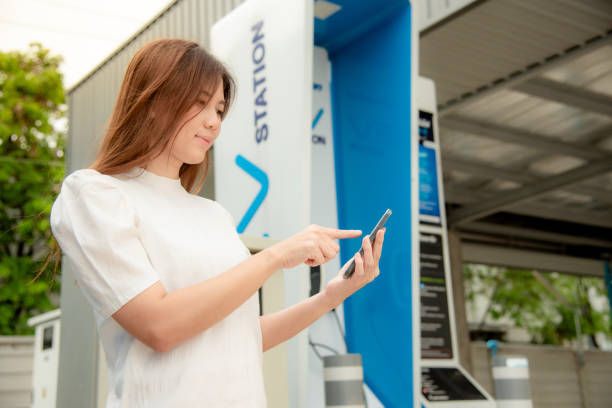
Can a Charging Station for Retail Boost Sales?
Short answer: Yes.
A simple mobile phone charging station doesn’t just help customers—it extends dwell time, restores shopping comfort, and builds goodwill.
A report by Forbes highlighted that “the longer a shopper stays in-store, the higher the likelihood of making a purchase,” especially when they’re not in a rush or distracted.
Let’s break it down.
✅ Benefits of Charging Stations in Retail Spaces:
Boosts impulse purchases – More time + less stress = more sales
Supports loyalty tech – Charged phones mean more QR scans, app check-ins, and digital redemptions
Improves in-store experience – Charging = hospitality
Drives longer visits – Especially in malls, cafés, department stores, or outlet centers
📈 Real Example:
One global retailer added branded charging kiosks near high-margin product zones. After rollout, they saw:
12% increase in foot traffic near the kiosks
8% lift in unplanned purchases
Positive feedback from loyalty members using mobile rewards
This isn’t a gimmick—it’s smart sales-boosting retail tech that meets a real customer need.
Do Charging Stations Fit All Types of Retail Environments?
Absolutely. Whether you're running a boutique, big-box store, or event booth, there’s a scalable solution.
Popular Types of Charging Solutions for Retail:
Mobile Phone Charging Kiosk
Freestanding, secure stations with multiple ports
Can include lockers or touchscreen branding
Ideal for malls, supermarkets, and entertainment zones
Wall-Mounted Charging Shelves
Saves space while still offering charging
Great for small stores or cafés
Rent Phone Charging Stations for Events
Perfect for pop-up shops, trade shows, and festivals
Short-term commitment, high-impact service
No matter the size of your space, there’s a way to make charging work for both customer comfort and retail success.

What Do Shoppers Think About In-Store Charging?
Consumer opinion is clear: they love it.
In a national survey by ChargeItSpot, over 60% of shoppers said they’d stay longer in a store if free phone charging were available.
Even more importantly:
52% said they’d be more likely to buy something
49% said they’d choose one store over another if it had a charging station
This aligns with the concept of “retail as a service”—giving customers small comforts in exchange for brand loyalty and higher cart value.
Charging stations may seem like a tech perk, but they double as behavioral nudges that keep shoppers comfortable, connected, and spending.
Why Is This Especially Relevant in a Post-Pandemic Shopping World?
Post-COVID, shopping behavior has changed. Consumers now:
Blend online and offline experiences
Use smartphones for contactless payments, coupons, and price checks
Expect brands to care about safety, convenience, and tech
If their phone dies mid-trip, that entire journey breaks down.
Offering a charging station for retail isn’t just nice—it’s necessary to support modern shopping patterns. It’s part of building a frictionless path to purchase, which today includes powering up devices as much as providing good lighting or clear signage.
Is It Worth the Investment for Small Retailers Too?
You don’t need to be a mega-mall to benefit from a mobile phone charging station.
Small shops can stand out by offering this value-add. Imagine:
A cozy bookstore with a discreet charger
A boutique with a charger near the fitting rooms
A coffee shop with charging points at every seat
It’s an affordable way to increase time spent in-store, get great reviews, and subtly guide customers toward that extra purchase.
Plus, with options to Rent Phone Charging Stations for Events, even seasonal stores or pop-ups can test the benefit without long-term commitment.
Key Takeaway: Keep Phones Alive, Keep Sales Alive
Low phone battery = low sales. It’s that simple.
Impulse shopping depends on emotional freedom and unbroken digital access. When shoppers worry about their phone dying, they leave sooner, browse less, and buy less.
But the fix is easy: install a charging station for retail. It increases dwell time, supports digital marketing tools, and enhances customer experience—all of which boost your bottom line.
Final Thoughts
In retail, every moment counts—and so does every charge. A low phone battery can cut shopping short, but a simple charging station can turn that around. By keeping customers connected, comfortable, and engaged, you're not just offering convenience—you're boosting impulse buys and building loyalty. It’s a small tech upgrade with a big impact on sales.
FAQs:
Q1. Do mobile phone charging stations affect sales?
Yes, they do. By reducing low battery anxiety, charging stations help shoppers stay longer and remain focused, which leads to more impulse purchases and higher basket values.
Q2. Are charging stations expensive to install?
Not at all. Options range from affordable plug-and-play kiosks to rentable units for short-term needs. Even small retailers can find a solution that fits their budget and space.
Q3. Where should I place a charging station in my store?
Place it near high-traffic areas or zones where shoppers tend to dwell, like fitting rooms, seating lounges, or near high-margin product displays.
Q4. Can charging kiosks be branded or monetized?
Yes! Many charging stations offer branding space or interactive screens. Some businesses even use them for advertising, partnerships, or data collection.
Q5. Is this useful for temporary events or pop-ups?
Absolutely. You can easily Rent Phone Charging Stations for Events to provide convenience without long-term investment.


Comments